How Wildlife Can Damage Roofs, Attics, and Insulation
People searching for wildlife removal are typically trying to prevent damage to roofs, attics, and insulation, and local service providers can safely remove animals and repair the affected areas.
Understanding how wildlife can damage roofs, attics, and insulation is essential for property owners looking to protect their homes. Many animals, such as raccoons, squirrels, and birds, often seek shelter in these vulnerable areas, leading to structural damage, insulation contamination, and even potential health hazards. If left unaddressed, these issues can result in costly repairs and decreased energy efficiency. Local contractors specializing in wildlife removal are equipped to identify signs of intrusion and recommend effective solutions to safeguard your property.
For residents in the area, exploring this topic can provide practical insights into preventing wildlife-related damage before it becomes a significant problem. Skilled service providers can not only remove animals safely but also seal entry points and restore compromised areas. Keeping your roof, attic, and insulation in good condition helps maintain the integrity of your home and avoids more extensive repairs down the line. Continuing to read can help you understand how local experts can assist in protecting your property from wildlife damage.
- Wildlife intrusion - when animals like raccoons or squirrels enter roofs or attics, local contractors can safely remove them and repair entry points.
- Roof damage caused by wildlife - if animals have chewed or clawed at roofing materials, service providers can assess and restore the affected areas.
- Attic contamination - when wildlife has nested or left droppings in an attic, local pros can clean, sanitize, and secure the space.
- Insulation destruction - if animals have damaged or contaminated insulation, local contractors can replace or repair insulation to restore energy efficiency.
- Structural compromise - when wildlife activity weakens roof structures or supports, service providers can evaluate and reinforce the affected areas.
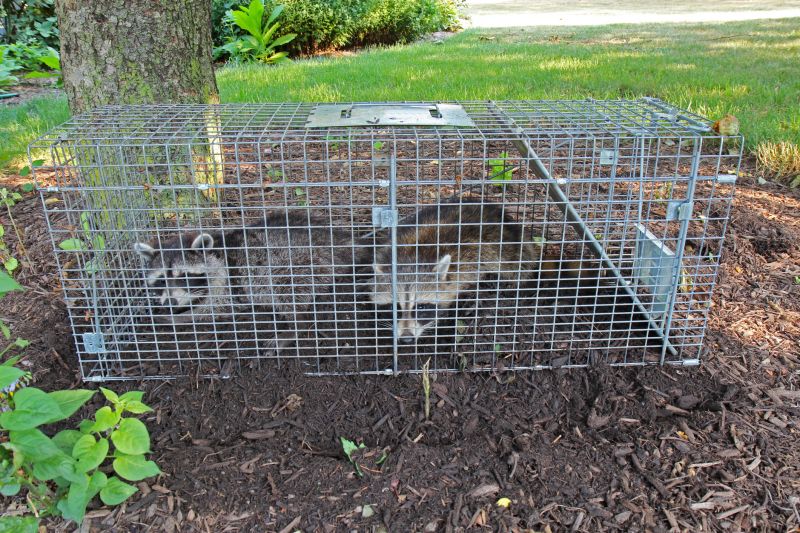
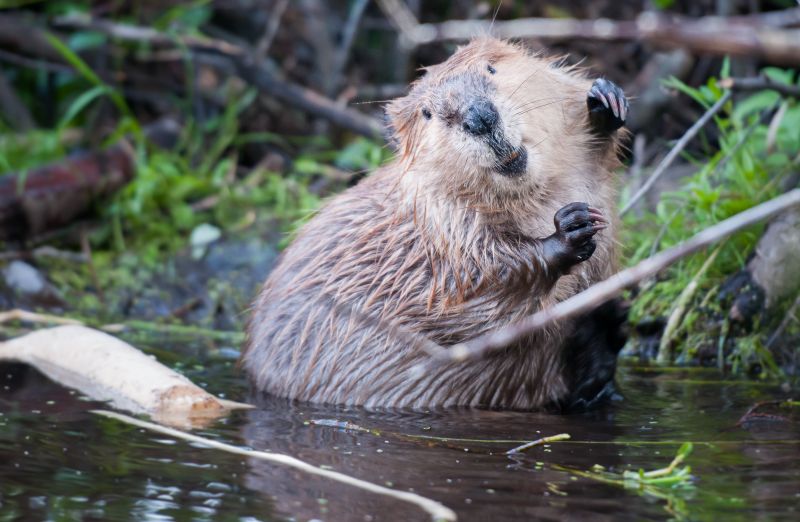
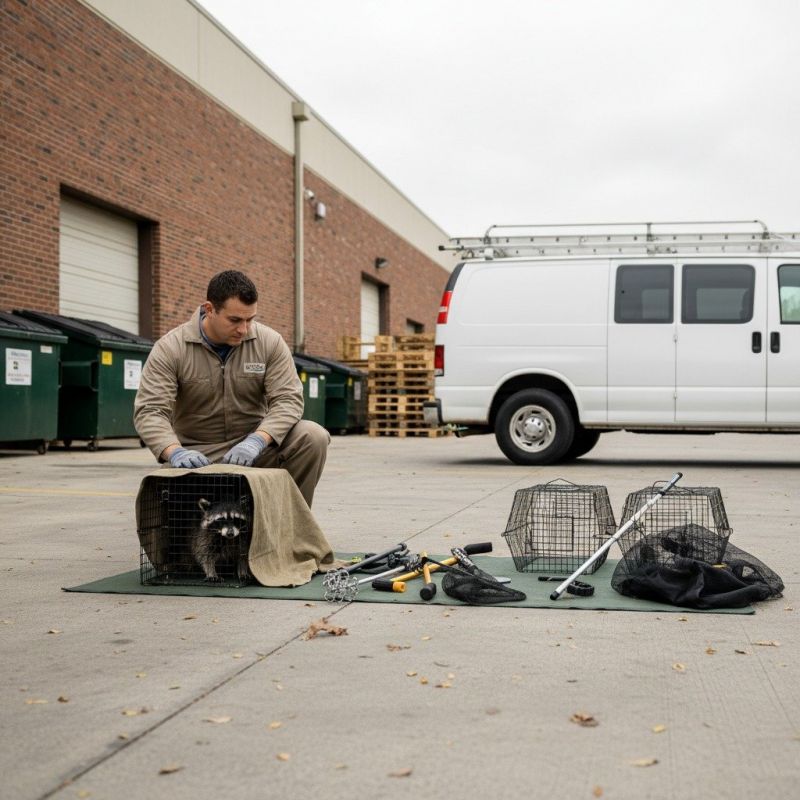
When homeowners search for information about how wildlife can damage roofs, attics, and insulation, they often want to understand the specific risks that animals pose to their properties. The concern typically revolves around animals such as raccoons, squirrels, bats, birds, and rodents gaining access to the roof and attic spaces. These creatures can cause extensive damage by tearing apart roofing materials, nesting in hidden areas, or creating entry points that allow further wildlife infiltration. Many property owners are also interested in how wildlife-related damage can lead to costly repairs or compromise the safety and integrity of their homes.
This topic is closely linked to various property problems and planning efforts. For example, homeowners may notice signs of wildlife activity, such as droppings, strange noises, or damaged insulation, prompting them to explore solutions. It’s common for property owners to consider wildlife exclusion or removal as part of their maintenance plans. Understanding how wildlife damage occurs helps homeowners prioritize repairs and preventative measures to protect their investment. Local service providers who specialize in wildlife removal and exclusion can assess the extent of damage, identify entry points, and implement strategies to prevent future issues, making their services an essential part of any damage control plan.
The types of properties most often affected by wildlife damage include single-family homes, especially those with accessible attics or older roofs with vulnerabilities. Rural properties or homes near wooded areas tend to face higher risks, as these environments naturally attract wildlife. Additionally, structures with poorly maintained or damaged roofing, vent openings, or missing soffits are more susceptible to animal intrusion. Commercial buildings, barns, and outbuildings can also be targets for wildlife, especially if they have gaps or openings that allow animals to enter. Recognizing the common property types and their vulnerabilities helps homeowners and property managers understand when professional wildlife removal services are needed to address existing damage or prevent future problems.
Local wildlife removal service providers play a vital role in addressing how wildlife can damage roofs, attics, and insulation. They offer expertise in identifying how animals are gaining access, assessing the extent of damage, and implementing humane removal methods. These professionals can also help with sealing entry points, installing barriers, and repairing damaged areas to prevent recurring issues. For property owners, engaging with experienced local contractors ensures that wildlife-related damage is managed effectively, reducing the risk of ongoing repairs and safeguarding the home’s structure and insulation. Connecting with the right service providers can make a significant difference in resolving wildlife problems and maintaining a safe, damage-free property.
Roof Inspection and Repair - professionals who assess and fix damage caused by wildlife, such as holes or weakened structures, ensuring the integrity of the roof against future animal intrusion.
Attic Ventilation and Insulation Services - contractors who replace or upgrade insulation affected by wildlife activity, helping to restore energy efficiency and prevent further damage.
Wildlife Damage Restoration - specialists who handle cleanup and repair after animals have caused damage to roofs, attics, or insulation, restoring the property's safety and functionality.
Pest and Wildlife Proofing - service providers who install barriers or exclusion devices to prevent animals from re-entering roofs and attics, reducing the risk of ongoing damage.
Gutter and Roof Debris Removal - experts who clear nests, droppings, and debris left by wildlife, helping to maintain proper drainage and prevent water damage.
Structural Reinforcement Services - contractors who strengthen vulnerable roof areas or attic structures that wildlife has compromised, ensuring long-term protection against damage.
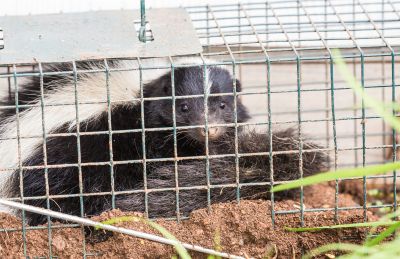
When evaluating wildlife removal service providers, it is important to consider their experience with similar projects involving how wildlife can damage roofs, attics, and insulation. An experienced local contractor will have a history of addressing these specific issues, such as identifying entry points, safely removing animals, and restoring affected areas. This background can provide confidence that they understand the complexities involved and are equipped to handle the unique challenges that come with wildlife-related damage.
Clear written expectations are essential when comparing local contractors for wildlife removal services. A reputable professional should offer detailed descriptions of the scope of work, including inspection procedures, removal methods, and repair or prevention measures. Having these expectations documented helps ensure that the homeowner understands what will be done and can compare proposals effectively. It also minimizes misunderstandings and provides a basis for evaluating the thoroughness and professionalism of each service provider.
Reputable references and good communication are key factors to consider when selecting wildlife removal experts. Service providers with positive feedback from previous clients often demonstrate reliability and quality of work. Additionally, clear and responsive communication throughout the process indicates professionalism and a willingness to address questions or concerns. Choosing a local contractor known for transparency and effective communication can help ensure that the project proceeds smoothly and that any issues related to how wildlife can damage roofs, attics, and insulation are handled efficiently.
Property owners often search for how wildlife can damage roofs, attics, and insulation when they are planning practical projects around their homes and businesses. Local pros provide Wildlife Removal services for everyday jobs and straightforward project options.
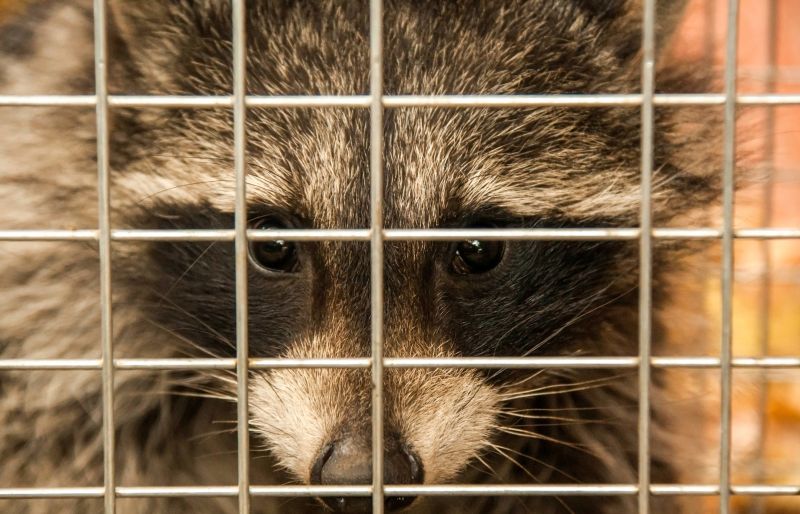
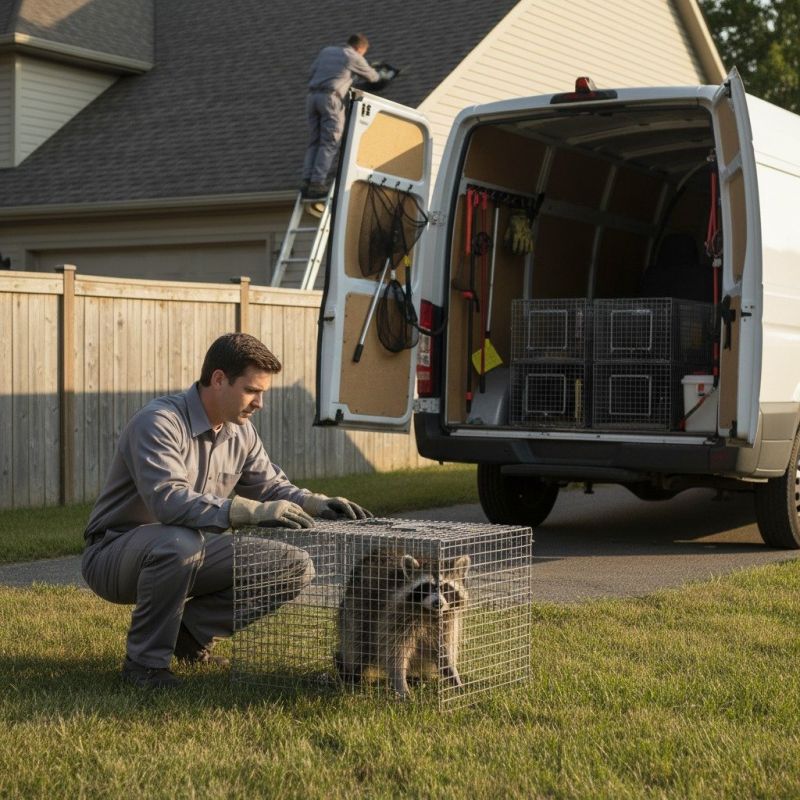
Wildlife can cause significant damage to roofs, attics, and insulation, often leading property owners to seek professional removal services. Common issues include animals like raccoons, squirrels, and birds gaining access through small openings or damaged areas, which can result in chewed wiring, torn insulation, and structural harm. These intrusions not only compromise the integrity of the roof and attic but can also lead to unpleasant odors and the presence of pests or droppings inside the home. Property owners noticing signs of wildlife activity, such as scratching noises or droppings near vents and eaves, may consider reaching out to local contractors who specialize in wildlife removal to address the problem safely and effectively.
Understanding how wildlife can damage roofs, attics, and insulation highlights the importance of timely intervention. Animals nesting in attics may tear insulation apart to create cozy spaces or chew through wiring, increasing the risk of electrical issues or fire hazards. Additionally, nests built in vents or roof openings can block airflow, causing further damage and moisture buildup. Property owners who observe damage or suspect wildlife activity are encouraged to connect with local service providers experienced in wildlife removal. These professionals can assess the situation, remove animals, and help prevent future intrusions, protecting the home's structure and interior from ongoing harm.
How can wildlife damage roofs and attics? Wildlife such as raccoons, squirrels, and birds can create holes in roofs, chew through insulation, and nest in attics, leading to structural damage and potential entry points for pests.
What types of wildlife are commonly responsible for attic damage? Common wildlife that damages roofs and attics include raccoons, squirrels, bats, and birds, all of which may nest or burrow in these areas.
How does wildlife damage insulation in roofs and attics? Wildlife can tear or displace insulation while nesting or seeking shelter, reducing its effectiveness and potentially causing increased energy costs.
Why should homeowners consider professional wildlife removal services? Local contractors can safely and effectively remove wildlife, repair damage, and prevent future invasions, helping to protect roofs, attics, and insulation.
How can wildlife damage be prevented in the future? Regular inspections and professional wildlife exclusion services from local contractors can help identify vulnerabilities and keep wildlife from damaging roofs and attics again.
Identify entry points - inspecting and sealing gaps in the roof and attic can prevent wildlife from gaining access and causing damage.
Install wildlife-proof barriers - adding barriers around vents and chimneys helps keep animals out and protects insulation from being compromised.
Assess insulation integrity - a professional can evaluate whether wildlife has damaged or contaminated attic insulation, ensuring energy efficiency.
Schedule regular inspections - periodic checks by local contractors can catch early signs of wildlife intrusion before extensive damage occurs.
If you are thinking about how wildlife can damage roofs, attics, and insulation for a property, this guide is meant to help you understand this topic, the typical project types, and how different options might fit your plans.
When you are ready, you can use the quote form on this page to share a few details about your project. From there, local pros can review the basics and follow up with options that match what you have in mind.